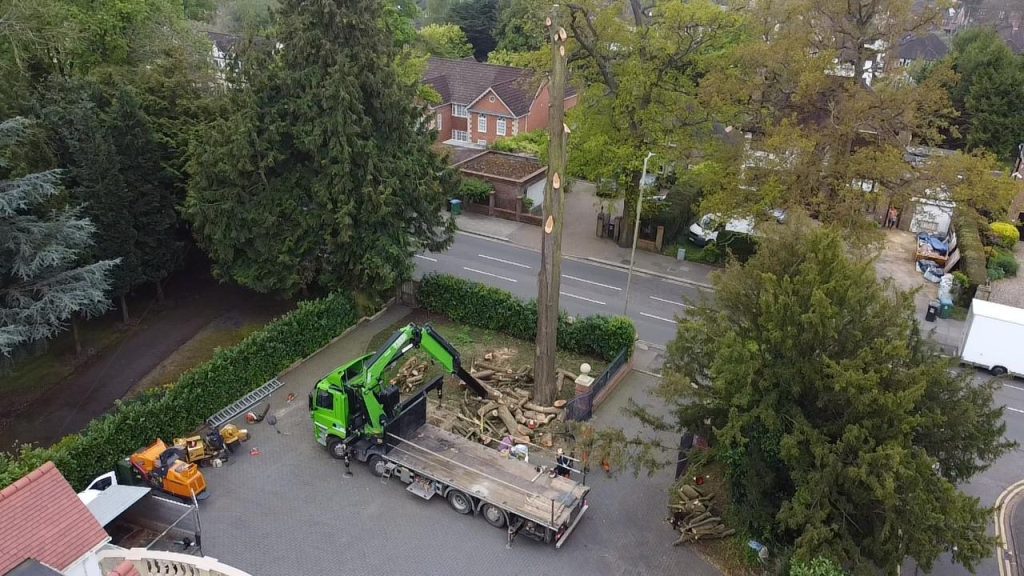
Cutting down a tree may seem like a straightforward task, especially if it's on your property. However, before reaching for the chainsaw, it's important to know that tree removal is regulated in many areas. Whether you're looking to remove a dying tree, a hazardous one, or simply to clear space, there are various legal and environmental factors to consider. Here's what permission you may need to cut down a tree.
The first step is to check with your local government or municipal office. Many cities, towns, and counties have specific ordinances that govern tree removal, particularly for larger or older trees. These regulations are designed to protect urban forestry, promote biodiversity, and maintain a community's aesthetic.
In many urban and suburban areas, you may need a permit for cutting down a tree. Some regions restrict the removal of mature trees or those in environmentally sensitive areas. For instance, if the tree is in a protected zone (like a historical district), additional permissions may be required. Even if the tree is on your property, local laws might require you to get approval before cutting it down.
In some areas, certain tree species are protected due to their rarity or ecological significance. For example, oak, maple, and other native trees might fall under protection, especially if they provide critical habitat for wildlife or contribute to soil health. If you suspect your tree may be protected, consult with your local forestry department or environmental agency.
Many regions have an inventory or list of trees that cannot be removed without special permissions. In such cases, you may be required to prove the tree is diseased, dangerous, or no longer serves its ecological function before you're granted permission to remove it.
If you're allowed to cut the tree down, a tree removal permit may be required. The application process often includes submitting a request to your local government, which may involve providing details like the tree's size, species, location, and condition. In some cases, you may need to submit a tree removal plan that includes mitigation measures, such as planting replacement trees.
In some areas, a permit is automatically required for any tree larger than a certain diameter (often around 6-12 inches in diameter at chest height). For smaller trees, you may be able to remove them without formal permission, though it's always wise to check first.
If the tree is near power lines, roads, or neighbouring properties, you'll need to be especially cautious. In these cases, you may need approval or help from utility companies or your neighbours. Cutting down a tree near power lines, for example, is hazardous and requires coordination with the utility company to ensure safety.
Additionally, if the tree is located on a property line, you may need to get consent from your neighbour before removal. Disputes over tree removal on shared boundaries can lead to costly legal battles, so communication is key.
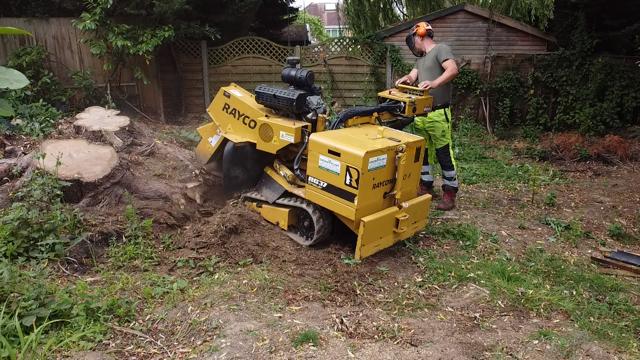
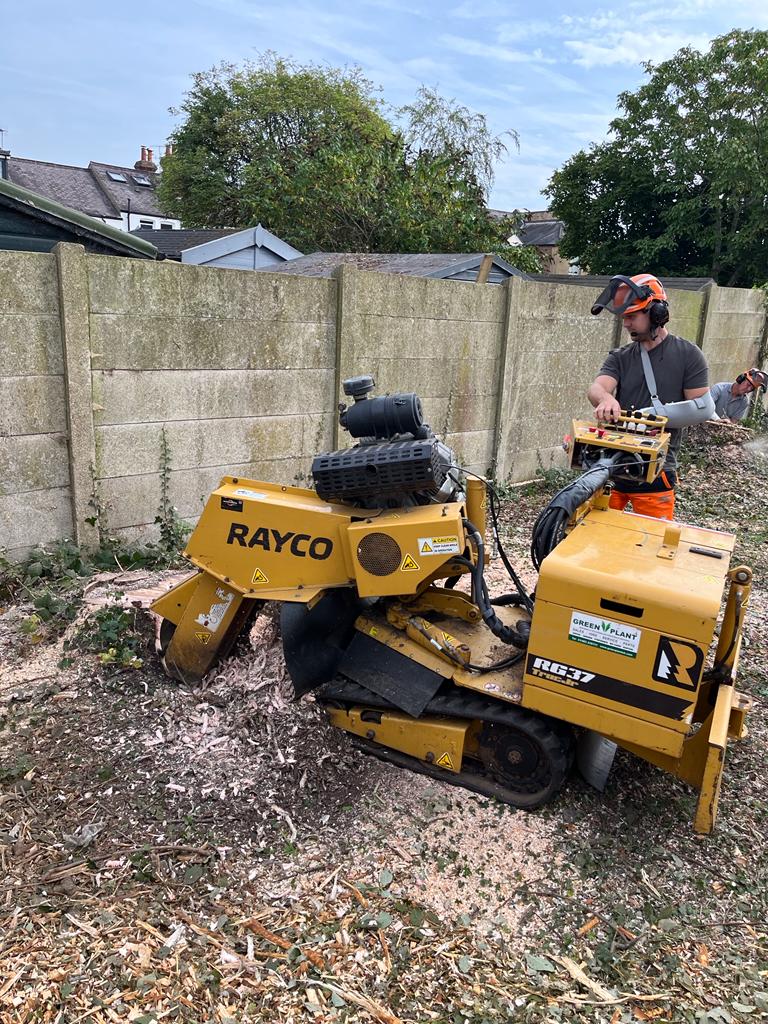
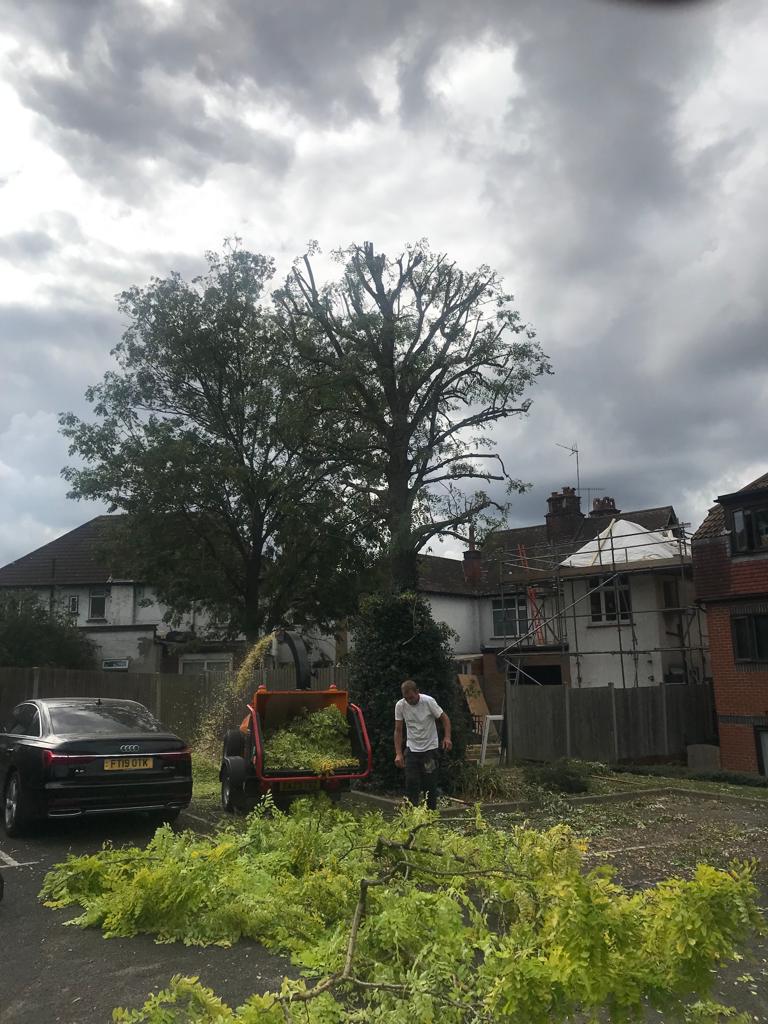
Sometimes, even with the right permissions, tree removal isn't a DIY job. If the tree is large, close to structures, or near hazardous areas, hiring a professional tree removal service is essential. Certified arborists have the training, equipment, and knowledge to safely remove trees while ensuring compliance with local regulations.
Before cutting down a tree, it's crucial to research your local regulations, consider environmental protections, and obtain any necessary permits. Failure to do so can result in fines, penalties, or even the obligation to replant the tree. Always remember that while it might be tempting to remove a tree on your property, the environmental and legal implications make it a process that requires careful thought and proper permits.
If you are still unsure call us or email us today for a free quote.