As the holiday season comes to an end, it's time to take down the decorations and deal with the real tree that's been standing proudly in your living room. If you had a natural Christmas tree this year, you might be wondering about the best and most eco-friendly way to dispose of it. Fortunately, there are several options to responsibly dispose of your tree so you can close out the season on a positive note.
Proper disposal of your Christmas tree is important for several reasons. Firstly, dumping a tree in a landfill without any thought to recycling can contribute to unnecessary waste. Secondly, natural trees can be repurposed into materials that benefit the environment, like mulch or compost. Finally, responsibly disposing of your tree ensures that local wildlife doesn't suffer from improperly discarded trees or other harmful practices.
Council kerbside collection
Many councils offer pickup for Christmas trees in the weeks following the holiday season. This is one of the most convenient options as it allows you to simply place the tree by the kerb and have it taken away for free or for a small fee. Typically, these trees are then sent to a local composting facility or turned into mulch.
- Remove all ornaments, lights, tinsel, and any other decorations.
- Cut the tree down to a manageable size (if necessary) to fit your pickup schedule.
- Follow your local council's guidelines regarding pick-up dates and any additional instructions (such as removing the tree from its stand).
Check with your local recycling programme to see if tree pickup is available in your area. Some towns offer this service for a few weeks after Christmas, while others may require you to schedule a drop-off.
Recycling drop-off points
If pickup isn't available, many areas provide designated drop-off locations for Christmas trees. Local parks, community centres, or recycling centres often set up tree collection points during January. These trees are then chipped into mulch, which can be used in public parks, trails, or other green spaces.
- Search for nearby tree recycling stations. These may be listed on your council's official website or through local environmental groups.
- Remove all decorations, nails, and stands from your tree before dropping it off.
- Some locations may even offer the option to pick up the mulch for your own garden, so be sure to check ahead.
Drop-off programmes usually run until the end of January, but it's always a good idea to check dates and locations before hauling your tree.
Composting your tree
If you have a compost pile or access to a community composting programme, you can compost your tree. The process is fairly simple, but it does require some extra effort. Pine needles, branches, and other parts of your tree break down into valuable organic material that enriches the soil. However, you'll need to chop the tree into smaller pieces before adding it to your compost bin.
- Remove all decorations and tree stands.
- Chop up the tree into smaller pieces to speed up the decomposition process.
- Add the branches and needles to your compost, and be sure to mix in plenty of other organic materials like leaves, grass, or kitchen scraps.
The benefits of composting are many — your tree will provide important nutrients for your garden, and you'll keep waste out of landfills.
Repurposing as a wildlife habitat
If you're feeling particularly environmentally conscious, you might consider repurposing your Christmas tree as a habitat for wildlife. By placing the tree in your backyard, you can create shelter for birds, small mammals, and insects. The tree can provide a place for wildlife to nest, seek shelter, or find food.
- Position the tree in an area of your yard where it won't obstruct walkways or views.
- Consider decorating it with edible treats for birds, such as peanut butter-dipped pinecones or strings of popcorn.
- Over time, the tree will decompose naturally, offering nutrients to the surrounding soil.
This option is perfect for those who want to contribute to local wildlife and minimise their environmental impact.
Mulching for the garden
If you have a local garden centre, landscaping service, or council programme that turns trees into mulch, you can recycle your tree by dropping it off for mulching. Mulch is great for use in gardens, flower beds, and around trees to help conserve moisture and prevent weed growth. Many communities offer free mulch to residents after they've processed the Christmas trees.
- Find out if there's a mulch recycling programme or local event in your area.
- Drop off your tree, and if available, bring a bag or container to collect some of the mulch.
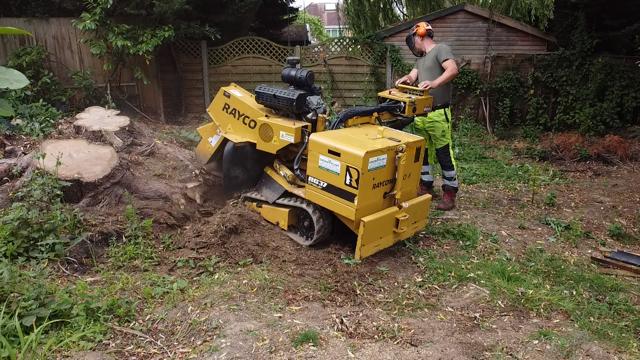
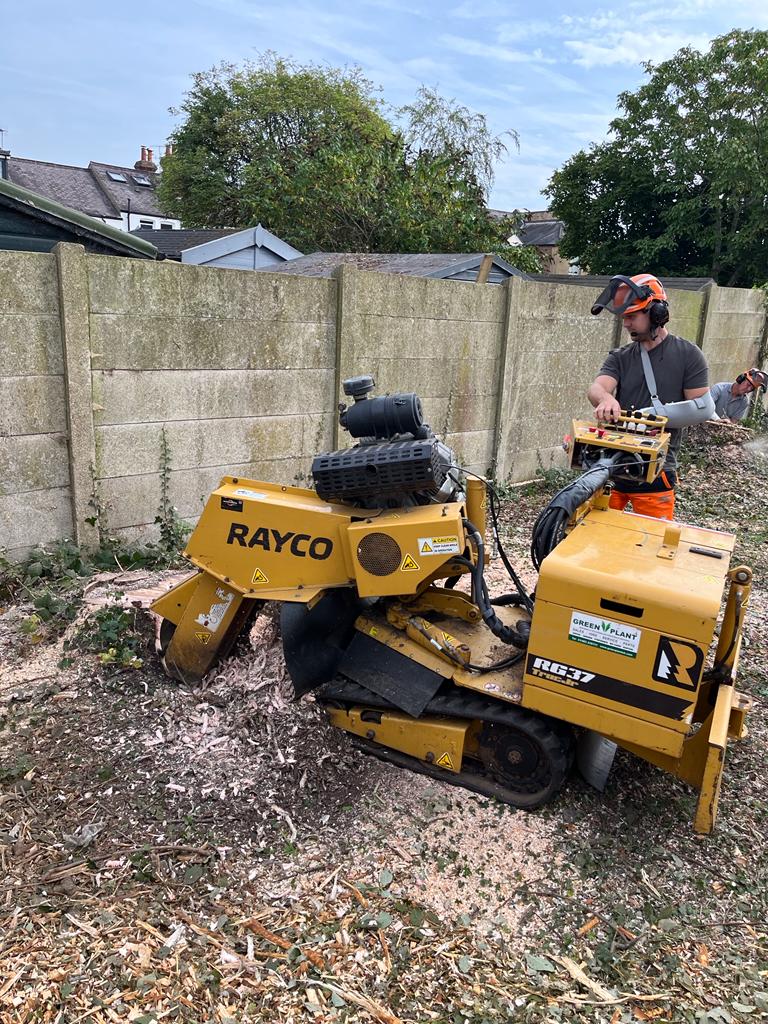
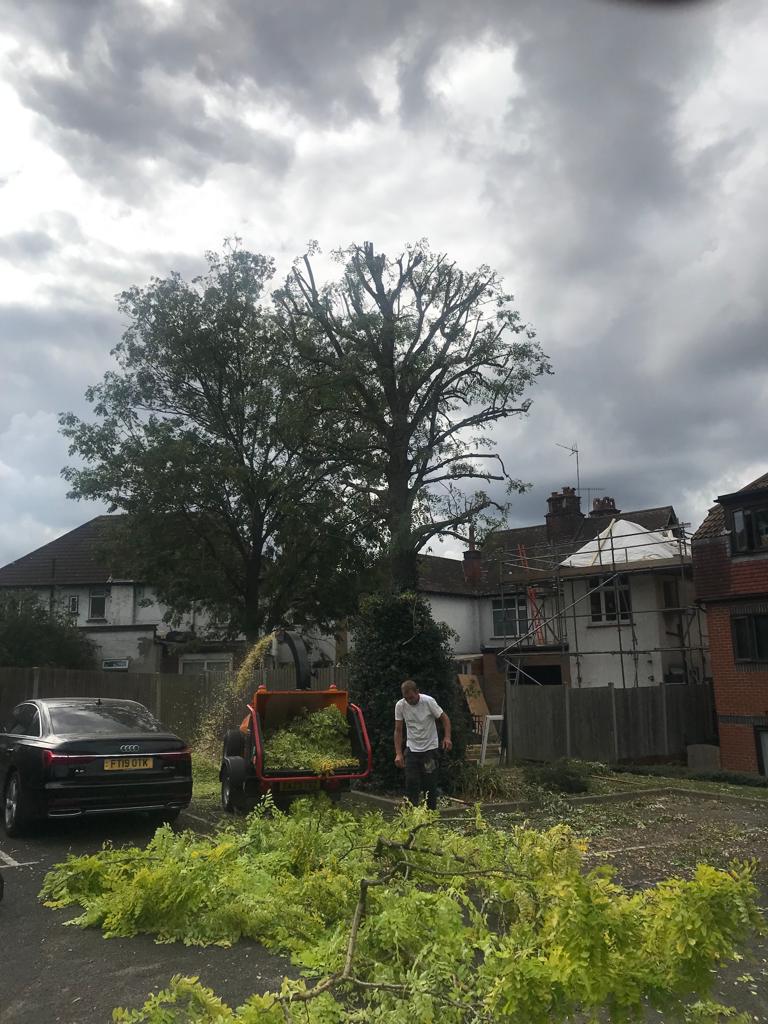
- Alternatively, you can rent a wood chipper to mulch the tree yourself if you have the equipment and space.
Mulching the tree is an excellent way to give it a second life while enriching your garden.
Donating to farms or zoos
Some zoos, farms, and animal rescue centres will accept Christmas trees as food and shelter for animals. In particular, goats, reindeer, and other herbivores can munch on pine needles and branches, while large trees can provide shelter for animals during the colder months.
- Contact your local zoo or farm to see if they're accepting tree donations.
- Remove all decorations, lights, and stands from the tree before donating it.
- Make arrangements for transportation if needed.
This is a fun and unique way to give your tree a new life, especially if you have a local farm or zoo that's willing to accept it.
While it's sad to say goodbye to your holiday tree, disposing of it responsibly can help you close out the season on a positive note. Whether you recycle it, compost it, repurpose it for wildlife, or donate it, there are plenty of options to ensure that your Christmas tree continues to give back to the planet in the new year.
Make sure to check with your local waste and recycling programmes to find out the best way to dispose of your tree. By doing so, you'll help reduce waste, conserve resources, and make the world a greener place for years to come.